

What’s the Difference Between Epoxy and Polyaspartic Coatings?
If you’ve been researching garage floor coatings, you’ve probably come across two names over and over: epoxy and polyaspartic. Both are popular choices for protecting and upgrading concrete floors, but they work differently and come with their own set of pros and cons.
Understanding the differences can help you pick the right coating for your space, your budget, and your timeline. Here’s how they compare.
What Is Epoxy Flooring?
Epoxy is a two-part coating made from resin and hardener. When mixed together, they create a chemical bond that produces a hard, durable surface. It’s been the go-to concrete coating for decades and is used in garages, basements, warehouses, and commercial spaces across GTA and beyond.
Epoxy coatings are known for their strength, resistance to chemicals and stains, and the wide range of colour and finish options available. They bond directly to prepared concrete and create a seamless, easy-to-clean surface.
What Is Polyaspartic Flooring?
Polyaspartic coatings are a newer type of floor coating that falls under the polyurea family. Like epoxy, they’re applied over prepared concrete. The big difference is speed. Polyaspartic coatings cure much faster than epoxy, which means your floor can be ready to walk on in hours instead of days.
They also perform well in extreme temperatures, making them a strong option for GTA’s cold winters and hot summers. UV stability is another advantage, as polyaspartic floors won’t yellow over time the way some epoxy systems can.
Head-to-Head Comparison
| Feature | Epoxy | Polyaspartic |
|---|---|---|
| Cure Time | 24-72 hours | 4-6 hours |
| UV Resistance | Can yellow over time | UV stable, won’t yellow |
| Temperature Tolerance | Needs moderate temps to apply | Can be applied in a wide range of temps |
| Durability | Very durable | Very durable |
| Chemical Resistance | Excellent | Excellent |
| Cost | Lower upfront cost | Higher upfront cost |
Cure Time and Convenience
This is where polyaspartic really shines. A full polyaspartic garage floor system can be installed and ready for foot traffic within the same day. Epoxy systems typically need at least 24 hours before you can walk on them and up to 72 hours before you can park a vehicle.
If downtime matters to you, say you only have one garage and can’t park outside for days, polyaspartic is the faster option. For commercial or industrial spaces where closing down for multiple days isn’t practical, the quick turnaround can be a big deal.
Performance in GTA’s Climate
GTA’s weather swings from -30C in January to +35C in July. That matters when it comes to floor coatings. Epoxy can be sensitive to temperature during installation and may become brittle in extreme cold. Polyaspartic coatings handle temperature swings much better and can even be applied in cooler conditions.
Both coatings handle road salt, moisture, and tire marks well once cured. But if you’re looking for long-term performance through harsh winters without worrying about cracking or peeling, polyaspartic has a slight edge in this climate.
Appearance and Finish
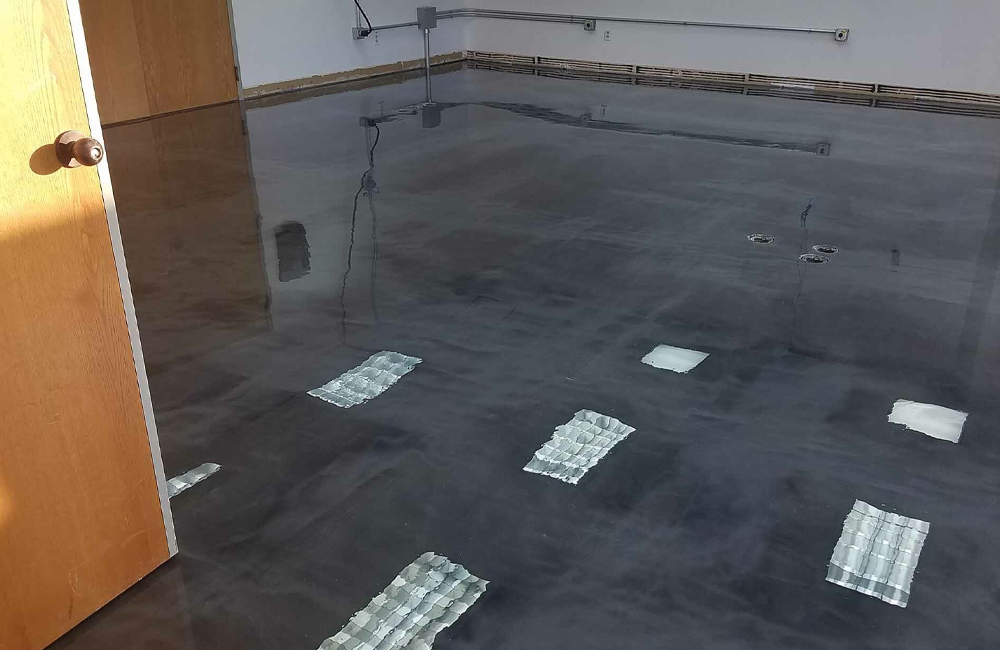
Both options look great. You can add decorative flakes, metallic pigments, or solid colours to either system. The finish on a polyaspartic floor tends to have a slightly higher gloss, but the visual difference is minimal. Most homeowners choose based on flake colour and style rather than the coating type itself.
Cost Comparison
Epoxy is generally more affordable upfront. The materials cost less, and the application process is straightforward. Polyaspartic coatings cost more per square foot due to the materials and the faster working time required (installers need to move quickly before it sets).
That said, many professionals now install hybrid systems that use an epoxy basecoat for its bonding strength and a polyaspartic topcoat for its UV resistance and fast cure. This gives you the best of both worlds at a mid-range price point.
Which One Should You Choose?
There’s no single right answer. It depends on your priorities.
Go with epoxy if: you want a proven, cost-effective coating and don’t mind waiting a couple of days for it to cure. Great for basements, workshops, and spaces where UV exposure isn’t a concern.
Go with polyaspartic if: you need a fast turnaround, want UV stability, or your floor is exposed to extreme temperature changes. Ideal for garages that face direct sunlight and GTA’s freeze-thaw cycles.
Go with a hybrid system if: you want the strongest bond, the fastest cure, and the longest-lasting finish. This is what most professional installers recommend, and it’s the approach we use most often.
Get a Free Quote
Not sure which system is right for your floor? We can help. Our GTA team will assess your space and recommend the best coating system for your needs and budget. Contact us for a free quote and we’ll walk you through your options.